Table of Contents
Show
There are many ways to improve a vehicle’s performance, safety, and style, and choosing the right tires is one of the most important places to start. Making the right choice is easier said than done, however, whether you’re shopping for your own car or selecting tires for a customer’s vehicle. Which tire type is best for your driving habits? How do weather conditions affect performance? To help you make the best choice possible, Your Tire Shop takes a closer look at common tire types and key features to consider.
All-Season Tires
All-season tires are one of the most popular choices for everyday drivers, and for good reason. They’re designed to deliver balanced performance in a wide range of conditions, including dry roads, rain, and light snow. With a tread pattern that prioritizes comfort and longevity, all-season tires are a practical option for drivers who want reliable performance year-round without switching tires by season. While they offer convenience and value, they may not provide the same level of traction as winter tires in severe snow or extreme cold.
Summer Tires
For drivers who prioritize handling and performance, summer tires are an excellent option. These tires are made with specialized rubber compounds that provide superior grip on dry and wet roads during warm weather. Their tread patterns are designed to enhance cornering, braking, and overall responsiveness, making them popular for sports cars and performance vehicles. However, summer tires are not suitable for cold temperatures or snowy conditions, as their rubber can harden and lose traction when temperatures drop.
Winter Tires
When cold weather hits, winter tires are built to keep you safe on snow- and ice-covered roads. Featuring deeper tread depths and unique patterns with biting edges, winter tires provide improved traction and control in harsh winter conditions. The rubber compounds remain flexible in freezing temperatures, helping maintain grip when you need it most. While winter tires are essential for severe climates, they tend to wear faster in warm weather and should be swapped out once temperatures rise.
Tread Patterns & Tire Features
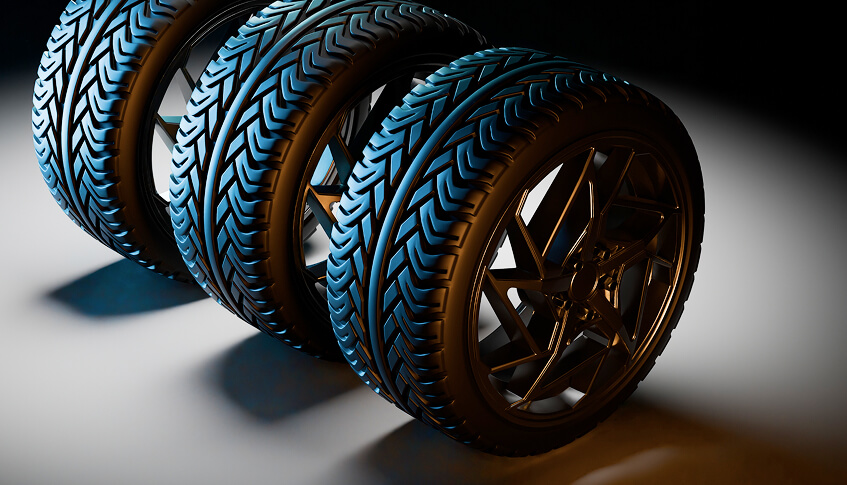
Tire tread patterns play a crucial role in performance, comfort, and safety. Symmetrical tread designs are known for a smooth ride and long tread life, while asymmetrical and directional patterns improve handling and water evacuation. Many modern tires also include advanced features such as reinforced sidewalls, noise-reducing technology, and enhanced wet-weather channels to improve driving comfort and confidence.
- Improved traction for wet and slippery roads
- Longer tread life for better overall value
- Reduced road noise for a quieter ride
- Specialized designs for performance or off-road driving
- Enhanced fuel efficiency with low rolling resistance options
If fuel efficiency is a priority, low rolling resistance tires can help improve gas mileage. Drivers concerned about safety may want to look for tires with enhanced wet braking ratings or run-flat technology that allows limited driving even after a puncture.
“The right set of tires can completely transform the way a vehicle handles and performs. Investing in quality tires is one of the smartest decisions any driver can make.”
Learn More about Choosing the Right Tires
Purchasing the right tires is a big decision, and there’s a lot to consider before making your choice. For more information about tire types, sizing, and performance options, contact Your Tire Shop today or stop by one of our convenient locations. Our knowledgeable team is ready to help drivers and fleet managers find the perfect set of tires for cars, trucks, and SUVs—keeping you safe, comfortable, and confident on the road.
Categories: